
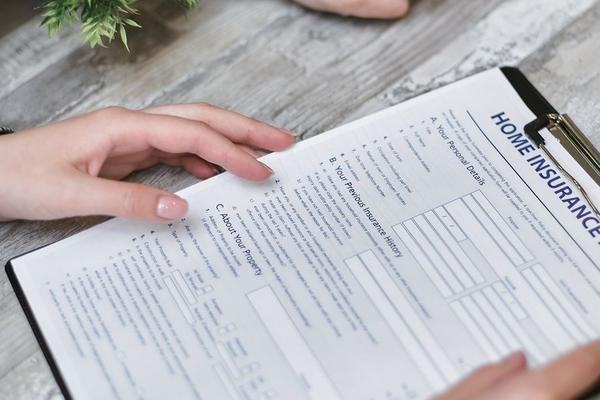
A renters insurance loss can turn an ordinary day into a paperwork-heavy one quickly. A burst pipe may soak your laptop, a break-in may leave valuables missing, or a fire may make the apartment temporarily unlivable. If you’re trying to understand how to file a renters insurance claim, the best response is to create a clear record of what happened, what was damaged, what you spent, and what your insurer asked you to provide. An organized renters insurance claim process can reduce avoidable delays and make it easier for the adjuster to evaluate your loss.
Step 1: Make the situation safe and report urgent problems
Deal with safety first. If there is a fire, active leak, structural danger, or other emergency, contact the appropriate emergency service and follow official instructions. Tell your landlord or property manager about damage to the building, because the landlord generally handles the structure while renters insurance focuses on your covered personal property, liability, and applicable additional living expenses.
If the loss involves theft, burglary, or vandalism, report it to law enforcement when appropriate and keep the report number. Your insurer may ask for a police report or other incident documentation. Do not enter an unsafe property simply to photograph belongings.
Step 2: Review your policy before estimating your payout
Check your personal property limit, deductible, special limits for categories such as jewelry, and whether belongings are settled on a replacement-cost or actual-cash-value basis. Also review loss-of-use coverage if you cannot stay in the rental after a covered loss.
The cause of damage matters. Renters insurance does not pay for every type of loss, and exclusions, limits, deductibles, and documentation requirements vary by policy and state. If something is unclear, ask the insurer which policy provision applies instead of assuming an item is covered.
Step 3: Document the loss before cleaning up
Good documentation is one of the most useful claim documentation tips. Take wide photos or video of each affected room, then close-up images of individual damaged items. For missing or destroyed property, create an itemized list with the brand, model, approximate purchase date, original cost, and estimated replacement cost when available.
Gather receipts, order confirmations, card records, serial numbers, old photos, and warranty emails. If you do not have receipts, do not abandon the claim. Other records can still help establish ownership and value.
For example, if a pipe bursts above your desk and damages a laptop, monitor, and chair, photograph the wet area and each item before disposal. Save the laptop purchase email, an older photo showing the monitor in your home, and any receipt for emergency drying or storage. That creates a much stronger evidence trail than simply writing “computer equipment damaged.”
Step 4: Notify your insurer promptly
When filing an insurance claim, contact your insurer or agent as soon as reasonably possible. Many policies include time requirements for reporting losses, so unnecessary delay can create problems. Claims can often be started by phone, website, or mobile app.
Be ready to provide your policy number, contact information, date and location of the loss, a concise description of what happened, and an initial list of damaged or missing property. If your inventory is incomplete, say so and ask when supporting documents are due.
Step 5: Submit the claim forms and evidence
Your insurer may request a claim form, inventory, proof of ownership, estimates, reports, or a proof-of-loss document. Follow the instructions you receive and note every deadline. Keep copies of everything you submit and record the claim number.
Use one folder for the policy, photos, inventory, receipts, emails, estimates, and notes from phone calls. Record the date, representative’s name, and important points from each conversation. This simple habit makes follow-up much easier.
Step 6: Prevent further damage without destroying evidence
If it is safe, take reasonable steps to protect belongings from additional damage, such as moving unaffected items away from water. Keep receipts for necessary emergency measures. Avoid throwing damaged property away until the insurer has inspected it or confirmed disposal is acceptable, unless safety requires immediate removal.
Step 7: Work with the claims adjuster
After the claim is reported, the insurer may assign an adjuster to review the loss. The adjuster can inspect damaged property, request documents, ask questions, and evaluate coverage under the policy. Respond promptly, but provide accurate information rather than guesses.
If the adjuster’s inventory misses an item, identify it clearly and provide supporting evidence. Keep the discussion factual. The goal is a complete claim file, not inflated values or unsupported estimates.
Step 8: Understand how the settlement is calculated
Your payment can depend on the covered amount of the loss, deductible, policy limits, special limits, and settlement method. Actual cash value generally reflects depreciation, while replacement-cost coverage may reimburse the cost of replacing covered property, subject to policy terms. Some policies may require proof that an item was replaced before paying additional replacement-cost benefits.
Review the settlement explanation carefully. If you do not understand a deduction, depreciation amount, or denied item, ask for a written explanation tied to the policy. If a dispute cannot be resolved, your state insurance department can provide consumer assistance.
Step 9: Track additional living expenses separately
If a covered loss makes your rental uninhabitable, loss-of-use coverage may help with eligible additional living expenses, subject to limits and conditions. These can include increased costs for temporary lodging, food, transportation, or storage. Keep relevant receipts and ask the insurer which expenses need approval.
Common mistakes that can slow a claim
Common problems include waiting too long to notify the insurer, discarding damaged property too early, failing to save receipts, submitting a vague inventory, missing deadlines, or assuming the landlord’s insurance covers a tenant’s belongings. Replacing expensive items before documenting the damage can also make the claim harder to support.
Frequently Asked Questions
How long do I have to file a renters insurance claim?
There is no single nationwide deadline for every renters insurance claim. Policies and state rules differ. Report the loss promptly and ask your insurer for all applicable deadlines.
Do I need receipts for everything I claim?
Receipts help, but they may not be the only proof accepted. Photos, bank or card records, online orders, serial numbers, manuals, warranties, and other records may support the claim. Ask your insurer what alternatives it accepts.
Will filing a claim guarantee that I get paid?
No. The insurer reviews the cause of loss, coverage, exclusions, deductible, limits, and evidence. Payment depends on whether and to what extent the policy covers the loss.
Can renters insurance pay for a hotel?
Potentially. If a covered loss makes the rental uninhabitable, loss-of-use coverage may reimburse eligible extra living costs, subject to policy limits and conditions. Save receipts and confirm coverage with your insurer.
Keep the claim organized from the first day
The strongest approach is simple: protect people first, document the loss, notify the insurer promptly, preserve evidence, and keep a complete paper trail. Treat the claim like a small project with one folder and one timeline. Careful records cannot turn an uncovered loss into a covered one, but they can help ensure a valid claim is evaluated with the information it needs.