
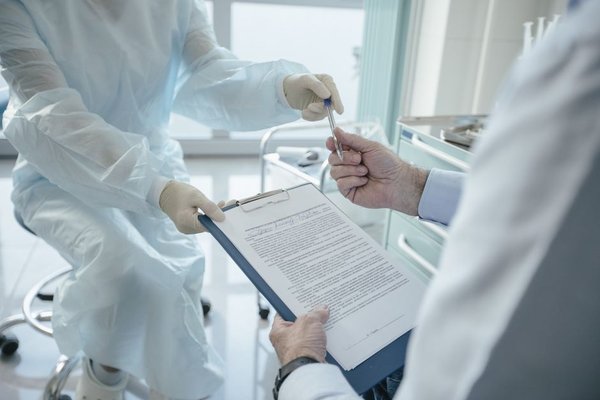
The life insurance medical exam is usually less intimidating than its name suggests. For many applicants, it is a short appointment arranged by the insurer and completed at home, at work, or at a clinic. The purpose is not to diagnose every possible condition or give you a simple pass-or-fail result. It gives the underwriter a current snapshot of your health so the company can decide whether to offer coverage, how much to approve, and which premium class applies.
A fully underwritten policy may require more information than a no-exam policy, but the added detail can sometimes support a more favorable rate. Knowing what happens helps you prepare without trying to manipulate the results.
What Is a Life Insurance Medical Exam?
A life insurance physical exam, often called a paramedical exam, is a basic health assessment performed for the insurer. A trained examiner may visit your home or office, or you may attend an approved location. The insurance company normally arranges and pays for the appointment.
The exam often takes about 15 to 45 minutes, depending on the insurer, your age, the coverage amount, and whether extra testing is required. It usually combines a health interview with measurements and fluid samples. The results go to the insurer’s underwriting team rather than replacing your normal medical care.
What Happens During the Appointment?
Identity and Health Questions
The examiner will confirm your identity and review your health history. You may be asked about diagnoses, surgeries, prescriptions, recent medical visits, tobacco or nicotine use, alcohol use, and family medical history. Having your doctors’ names, medication dosages, and approximate treatment dates ready can prevent delays.
Height, Weight, Pulse, and Blood Pressure
Most exams include height and weight measurements, pulse, and blood pressure. These figures help insurers assess risk alongside the rest of the application. One unusual reading does not automatically decide the outcome, but it may lead to additional review or a request for medical records.
Blood and Urine Samples
A typical life insurance blood test may examine markers related to blood sugar, cholesterol, liver and kidney function, and other health indicators. Blood or urine testing may also identify nicotine use and certain drugs. The exact laboratory panel differs by insurer, policy type, age, and coverage amount.
The urine sample is normally collected in private. Drinking a reasonable amount of water beforehand can make both the urine collection and blood draw easier, but excessive water is unnecessary and may produce a diluted sample that needs repeating.
Additional Testing in Some Cases
Some applicants are asked to complete an electrocardiogram or another test. These requirements are more likely with older applicants, large death benefits, certain medical histories, or findings that need clarification. The insurer or examiner should explain in advance what the appointment includes.
How to Prepare the Day Before
The best preparation is to help the exam reflect your normal health accurately. Do not attempt a crash diet, skip prescribed treatment, or use unapproved products to change a laboratory result.
Get a normal night’s sleep and avoid an unusually heavy meal, excessive salt, and large amounts of sugar. Strenuous exercise can temporarily affect some readings, so avoid an intense workout shortly before the exam. Alcohol may influence hydration, blood pressure, and laboratory results, making it sensible to avoid it according to the examiner’s instructions.
Prepare a list of prescriptions, over-the-counter medicines, supplements, doctors, and recent procedures. Do not stop medication unless your physician tells you to do so. Instead, disclose what you take and why.
What to Do on Exam Day
Follow the insurer’s fasting instructions exactly. Some exams require several hours without food, while others do not. Water is commonly permitted, but confirm rather than assume. An early-morning appointment can make fasting easier when required.
Avoid caffeine, tobacco, and vigorous exercise for at least 30 minutes before your blood pressure reading, as these can temporarily affect it. Empty your bladder, sit quietly for several minutes, and keep your feet flat and legs uncrossed while the reading is taken.
Wear lightweight clothing with sleeves that roll up easily. Bring photo identification and your medication list. If needles make you anxious, tell the examiner. A short rest, or checking blood pressure after the blood draw, may help produce a reading closer to your usual level.
A Practical Example of Good Preparation
Suppose your appointment is at 8 a.m. and the examiner tells you to fast for eight hours. Eat a normal dinner, stop eating at midnight, drink water as permitted, and skip morning coffee until the appointment is over. Avoid a late-night gym session, sleep normally, and place your ID and medication list beside the door. This follows the instructions and reduces avoidable surprises without hiding your real health.
What Happens After the Exam?
The examiner sends the samples to a laboratory and submits the measurements and questionnaire to the insurer. The underwriter reviews them with your application and may also consider prescription history, medical records, driving history, finances, occupation, and certain hobbies.
The company may approve the policy at the expected rate, offer a different premium class, reduce the available coverage, postpone a decision, request more records, or decline the application. Underwriting guidelines vary by insurer.
If a result appears unexpected, ask what information affected the offer and whether you can obtain the laboratory report. A genuinely abnormal result should be discussed with your healthcare professional rather than treated only as an insurance issue.
Common Mistakes to Avoid
Do not conceal prescriptions, tobacco use, diagnoses, or previous treatment. Inaccurate answers can delay underwriting and may create serious problems if a claim is reviewed later. Do not assume a no-exam policy requires no health information; many simplified policies still use questionnaires and external records.
Another mistake is postponing the appointment while expecting health to change overnight. Meaningful improvement in blood pressure, weight, cholesterol, or diabetes control usually requires consistent medical care and lifestyle changes, not a last-minute trick.
Frequently Asked Questions
Do all life insurance policies require a medical exam?
No. Some policies use accelerated, simplified, or guaranteed-issue underwriting. These options may offer faster approval, but coverage limits, eligibility rules, and premiums can differ from fully underwritten insurance.
Can I fail a life insurance medical exam?
The exam is not normally graded as a simple pass or fail. The insurer uses the results to determine eligibility, coverage limits, and risk class. An applicant may receive a higher premium or a different decision than expected.
How long does the paramedical exam take?
Many appointments take roughly 15 to 45 minutes. Extra tests, a detailed health history, or difficulty collecting a sample can make the visit longer.
Should I fast before the life insurance blood test?
Fast only when the insurer or examiner instructs you to do so. Ask how long to avoid food, whether water is allowed, and whether regular medicines should be taken as usual.
Make the Exam Accurate, Not Perfect
The goal is to present an honest and representative picture of your health. Confirm the instructions, organize your medical information, rest normally, stay reasonably hydrated, and avoid short-term factors that can distort vital signs. A calm, well-prepared appointment makes underwriting smoother and gives the insurer clearer information on which to base its offer.